Getting Paid to Switch Your Alpharetta Kitchen to Induction
Switching from gas to induction in Alpharetta is not just a cooking upgrade. It is a smart move that can unlock home energy rebates tied to whole-home electrification and efficiency improvements. In North Fulton, the strongest savings often come when a homeowner pairs an induction cooktop with HVAC and electrical upgrades that meet federal, state, and Georgia Power incentive rules. One Hour Heating and Air Conditioning of North Atlanta helps Alpharetta, Milton, Johns Creek, Roswell, Sandy Springs, Cumming, East Cobb, and Dunwoody homeowners design those upgrades so the project qualifies for rebate stacking. That is how residents get paid to switch while improving comfort, indoor air quality, and long-term operating costs.
Why induction in Alpharetta qualifies for whole-home incentives
On its own, an induction cooktop can qualify for point-of-sale incentives under the federal Home Electrification and Appliances Rebates program, often referred to as the HEAR program. Georgia’s program administration runs through the Georgia Environmental Finance Authority, commonly called GEFA. For 2026 projects, GEFA’s program structure ties larger rebates to measured or modeled energy reductions across the home. That is why a switch to induction often pairs with one or more qualifying HVAC or weatherization upgrades. Done correctly, a homeowner can trigger multiple buckets of savings on one project.
The biggest buckets in 2026 include the federal Energy Efficient Home Improvement Credit, known as 25C, which offers 30 percent of installed cost up to $2,000 for a qualifying high-efficiency heat pump. GEFA’s HEAR rebates provide point-of-sale dollars for electrification measures like an induction range or panel upgrades based on income eligibility and funding status. The HOMES program rewards whole-home energy reductions. Georgia Power adds utility rebates that can stack with federal incentives when the equipment meets their program standards and work is performed by an affiliated contractor. This is where a kitchen decision touches HVAC. The kitchen triggers new electrical work and ventilation checks, and that opens the door to targeted HVAC improvements that hit the threshold for whole-home rebate tiers.
What Alpharetta homes need to unlock the maximum savings
North Atlanta homes vary widely by age and construction. https://one-hour-heating-air-conditioning.s3.dal.us.cloud-object-storage.appdomain.cloud/home-energy-rebate/how-to-claim-your-ten-thousand-dollar-georgia-home-energy-rebate.html Windward and Country Club of the South homes often run larger loads and have complex zoning. Many 1990s and 2000s two-story homes across 30004, 30005, and 30009 were built with undersized upstairs return air and supply trunks that suffer in July and August. That matters for rebates because a right-sized high-efficiency heat pump, duct sealing, and a smart thermostat can deliver the modeled or measured savings HOMES and utility programs require. When the homeowner also swaps gas cooking to induction, the electrification pathway aligns with GEFA’s HEAR benefit for electric appliances and, if needed, for a panel or dedicated circuit upgrade.
One shareable local reality surprises many: In July and August, two-story homes from Alpharetta and Milton to Johns Creek and Roswell routinely run 5 to 10 degrees warmer upstairs than downstairs during late afternoons. The main causes are inadequate upstairs return air sizing, high attic radiant heat that bleeds through recessed lights and ceiling penetrations, and zone dampers that do not modulate correctly. Attic temperatures in Alpharetta and Cumming can exceed 130 degrees on clear days. That heat load keeps upstairs rooms muggy and drives long AC cycles. Induction does not fix that by itself. But when paired with a variable-speed heat pump, duct sealing, and a whole-home dehumidifier, the kitchen upgrade becomes the project that finally solves the sticky upstairs and qualifies for larger home energy rebates.
Rebates and credits commonly paired with an induction switch
Each home is different, and final eligibility depends on income, measured savings, and program funding. Here is how an Alpharetta kitchen switch to induction can line up with available 2026 incentives:
Federal Energy Efficient Home Improvement Credit (25C). A qualifying heat pump can receive 30 percent of installed cost up to $2,000. Duct sealing, insulation, and smart thermostat measures have separate 25C sub-limits that can add up. GEFA HEAR program. Typical eligible measures include induction cooktops, panel upgrades, heat pump water heaters, heat pumps, wiring, and ventilation improvements, subject to income thresholds and statewide budget. HOMES performance rebates. Modeled or measured reductions in whole-home energy use can qualify for progressively larger rebates. Georgia Power rebates. When installing a SEER2-rated system that meets utility criteria, Georgia Power offers equipment and thermostat incentives. Many North Atlanta homeowners also qualify for a utility rebate for a professional Home Energy Assessment. A $150 audit rebate is common in program cycles and is often required to start the process.
Local programs evolve. The specific amounts can change year to year based on budgets and energy-saving targets. A professional assessment aligns the home design to whatever rules are active the month the homeowner is ready to schedule. That is how the most value is captured on real projects across 30004, 30005, 30009, 30022, 30075, 30076, and 30041.
Technical checkpoints when converting to induction
Induction cooking needs a dedicated 240V circuit and adequate electrical capacity. Many North Fulton homes built before 2005 run 150-amp or 200-amp service with limited spare breaker space. A range circuit installation typically requires a breaker space, correct wire gauge, and a new receptacle. If the panel is at capacity, a subpanel or full panel upgrade may be needed. Panel upgrades are common on homes pivoting to heat pumps, heat pump water heaters, EV charging, or induction cooking. Under HEAR, panel upgrades can be eligible when they enable electrification measures.
Ventilation needs attention as well. Gas ranges produce combustion byproducts. Induction eliminates the flame and reduces the need to exhaust combustion gases. It does not remove steam and cooking aerosols. A strong, quiet range hood that vents outdoors remains best practice. For Alpharetta homes with tight envelopes, a make-up air strategy can be required for high-cfm hoods. This is one reason HVAC contractors get pulled into induction projects. Balance the system so the kitchen upgrade does not drive negative pressure or backdrafting in winter when gas furnaces still serve as backup heat in dual-fuel systems.
From an HVAC standpoint, the induction project often coincides with one of these upgrades that qualify for home energy rebates in 2026:
- Variable-speed heat pump installation that meets 25C and Georgia Power efficiency thresholds Whole-home dehumidifier to control summer humidity when dewpoints sit above 70 degrees Duct sealing and return air sizing corrections to fix hot upstairs rooms Smart thermostat integration to lock in savings and qualify for utility incentives Heat pump water heater to pick up GEFA HEAR electrification dollars
What qualifies as high-efficiency in North Atlanta in 2026
Manufacturers have reshaped product lines under the SEER2 test procedure and the refrigerant transition. The majority of new AC and heat pump systems sold after January 2025 use lower global warming potential refrigerants such as R-32 or R-454B. For North Atlanta, the practical question is which system tier meets both comfort needs and rebate thresholds:
Single-stage systems are entry tier. They meet 14 to 16 SEER2. They are cost-effective but cycle on and off. In Alpharetta’s humidity, they often leave moisture in the air on mild days. Two-stage systems run longer at low stage and pull more humidity. Typical mid-tier units meet 16 to 18 SEER2. Variable-speed inverter-driven systems offer the best humidity control and quiet operation. They reach 18 to 22 SEER2. These systems excel in two-story homes with chronic upstairs heat. In 30004 and 30022 homes with luxury finishes in The Manor, White Columns, or Country Club of the South, variable-speed control and zoning can solve persistent room-to-room imbalance.
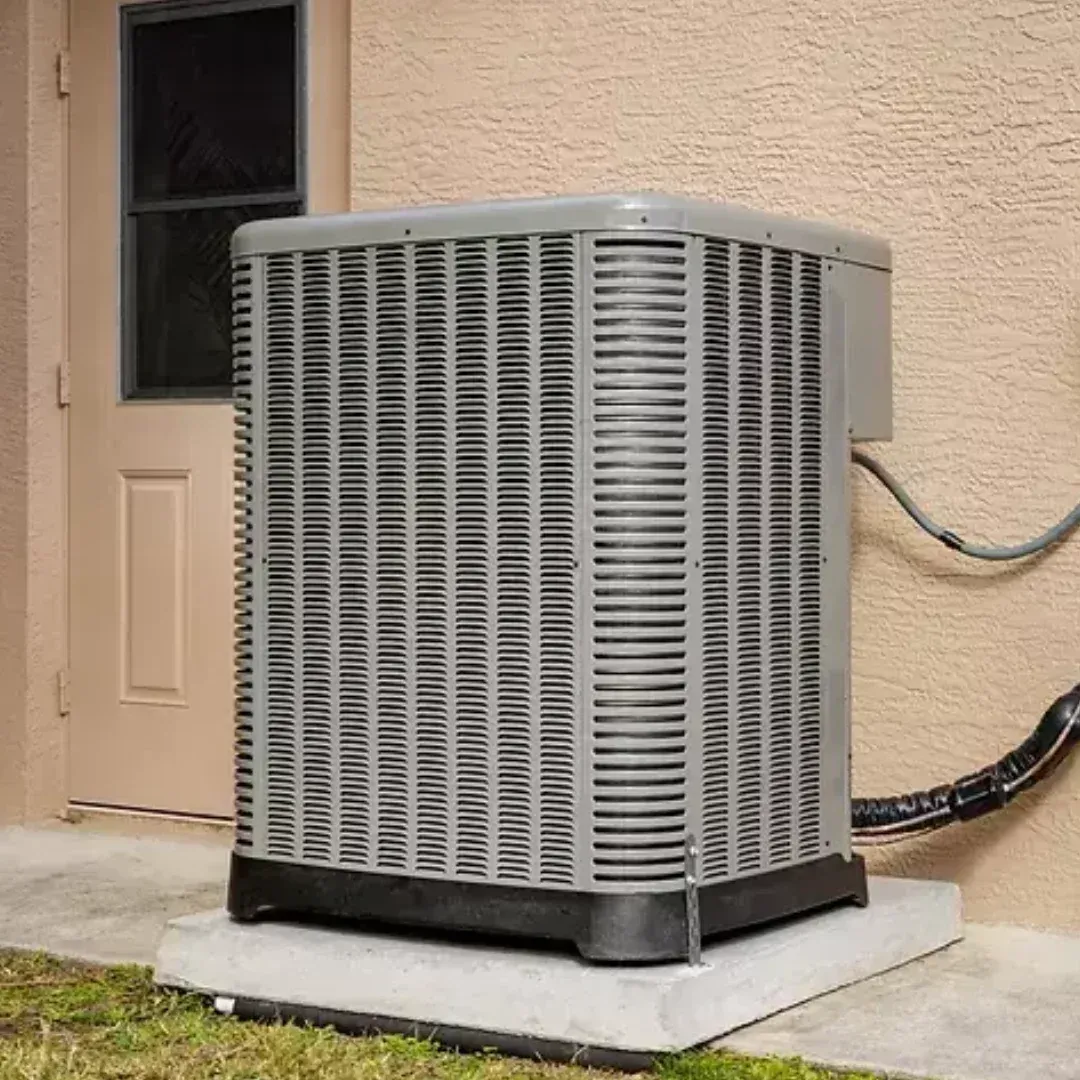
Brands that consistently meet program thresholds include Trane TruComfort variable-speed heat pumps, Carrier Infinity and Performance series, Lennox Elite and Signature systems, Daikin Fit inverter systems, and Mitsubishi Electric Hyper-Heat for ducted and ductless applications. For ductless zones over garages in Crooked Creek or above bonus rooms near Windward Parkway, a Mitsubishi Electric Hyper-Heat head can resolve a problem area while staying within an electrification plan. For whole-home zoning, Trane ComfortLink and Carrier Infinity zoning controls help meet comfort goals and document energy savings for rebate paperwork.
The North Atlanta comfort problem that rebates actually fix
Many Alpharetta homeowners start with a kitchen goal but complain about a different pain point. They describe an upstairs that never quite cools in late afternoon. Two-story homes along Old Milton Parkway and Webb Bridge Road show the same pattern. The system can be new but delivers weak airflow upstairs because static pressure is high and the returns are small. If the duct system was never balanced or if zone dampers are stuck, cooling shifts to short, high-cfm blasts that lower temperature but not humidity. This is why homes feel sticky even when the thermostat reads 72. Variable-speed compressors paired with variable-speed ECM blower motors can slow down and remove moisture. When ductwork is sealed and returns are right-sized, upstairs temperature and humidity stabilize. That documented improvement helps the home qualify for HOMES program tiers because it reduces overall energy use, run time, and cycling losses.
This also intersects with the refrigerant transition. If an Alpharetta home has a 2013 to 2018 R-410A system that needs an expensive repair, it is time to weigh repair versus replace. R-410A is phasing down. Parts supply and refrigerant pricing will continue to shift through 2026. New R-32 or R-454B systems offer higher efficiency and better dehumidification in variable-speed designs. When that upgrade is bundled with the kitchen’s induction switch and other measures like duct sealing and a smart thermostat, the homeowner can often reach the savings tier that unlocks the largest home energy rebates.
What the numbers look like for 2026 projects in Alpharetta
Installed costs vary by home size, equipment tier, and electrical needs. Homeowners should expect these typical ranges in North Fulton for projects linked to an induction switch. These are common 2026 market ranges across Alpharetta, Milton, Johns Creek, Roswell, Sandy Springs, Cumming, and East Cobb:
- Variable-speed heat pump replacement: $13,000 to $22,000 installed, often eligible for 25C up to $2,000 plus Georgia Power rebates when program criteria are met Two-stage heat pump replacement: $8,500 to $13,000 installed, with utility rebates depending on SEER2 and HSPF2 ratings Duct sealing and return air modifications: $1,500 to $5,000 depending on scope and accessibility Whole-home dehumidifier: $1,800 to $3,500 installed for homes with summer humidity above 60 percent indoors ERV or HRV ventilation upgrade for tight homes: $1,500 to $3,500 installed
Kitchen-adjacent electrical and ventilation scopes in the same project commonly price as follows in 2026:
240V range circuit add: $400 to $1,200 depending on distance and routing. Electrical panel upgrade or subpanel add: $1,500 to $3,500 based on service size and brand. Range hood and ducting to exterior: $600 to $2,000 depending on path and cfm. Whole-home energy assessment: many programs support a $150 rebate, with assessments typically pricing $150 to $400 for a BPI-style audit that includes blower door and duct leakage tests. These numbers are the planning marks One Hour Heating and Air Conditioning of North Atlanta uses when mapping the path to home energy rebates for an induction-led upgrade.
How One Hour structures an induction-led electrification plan
Every home in 30004, 30005, 30009, and 30022 needs a clear, simple plan tied to program rules. A project led by an induction switch usually progresses through a fast site visit and a professional energy assessment. The assessment documents air leakage, duct leakage, and thermal boundary conditions. It identifies the HVAC and electrical adjustments needed for comfort, code, and rebate alignment. The HVAC design uses a Manual J load calculation to right-size the heat pump, and when necessary, a Manual D review to validate duct sizing and static pressure. That discipline matters in the Georgia humid subtropical climate where dewpoints sit above 70 degrees in summer and attic temperatures run above 130 degrees. A good design hits the energy target and solves the comfort problem long term.
In Alpharetta’s high-end neighborhoods like The Manor, White Columns, and Atlanta National, multi-zone variable-speed systems often pair with zoning control boards and smart thermostats like Ecobee, Honeywell T-Series, or Carrier Infinity controls. In Avalon and downtown 30009 condo and townhome settings, ductless Mitsubishi Electric Hyper-Heat or Daikin single-zone systems can address specific rooms while leaving the main system unchanged. In both cases, the induction cooktop is the spark that creates an electrification path, while HVAC and duct work deliver the energy reductions that stack rebates.
Brands and equipment that meet 2026 rebate criteria
One Hour North Atlanta services and installs Trane, Carrier, Lennox, Goodman, Rheem, York, Daikin, Mitsubishi Electric, and Amana. For projects that aim to stack home energy rebates with an induction switch, the equipment list usually includes:
Trane TruComfort variable-speed heat pump matched with a variable-speed ECM air handler or gas furnace for dual-fuel if winter confidence is needed. Carrier Infinity variable-speed heat pump for strong humidity control and zoning. Lennox Elite or Signature Series variable-capacity systems when quiet operation is a priority. Daikin Fit inverter systems for homes where outdoor space is tight. Mitsubishi Electric Hyper-Heat for ductless rooms that need year-round conditioning in over-garage bonus rooms or finished attics. Heat pump water heaters from brands aligned with GEFA-approved product lists. These systems align with program efficiency thresholds and manufacturer 10-year parts warranty norms. When coordinated with Georgia Power rebates and the 25C credit, the result is a stack that helps fund the kitchen induction switch and the HVAC improvements together.
Kitchen induction and indoor air quality
Induction eliminates the open flame and the combustion byproducts associated with gas, which reduces one load on indoor air quality. In North Atlanta, where summer air is sticky, controlling indoor humidity and providing clean ventilation remain primary goals. Whole-home dehumidifiers installed in central systems keep indoor relative humidity between 45 and 55 percent, which feels better and reduces microbial growth risk. UV-C germicidal light can be added in the air handler to treat the coil surface. A media air cleaner or HEPA bypass filter can improve particulate capture when cooking aerosols and dust circulate. These indoor air quality upgrades can be part of a rebate-eligible plan and can be valued even more after the induction switch because the home often runs tighter after air sealing and duct sealing.
The role of ductwork in an induction-led plan
Many Alpharetta kitchens vent to the attic and then to the exterior. During a conversion, duct paths are checked for leaks and proper termination. At the same time, the HVAC duct system should be tested with a duct blaster to quantify leakage. In older Roswell and East Cobb homes, leakage over 25 percent is common. Sealing with mastic and metal-backed tape, resizing returns, and balancing supply trunks are productive measures that produce measurable energy reductions. That moves the needle for HOMES rebate modeling. In 30350 Sandy Springs and 30338 Dunwoody split-level homes, static pressure tests often show restrictions that hold back airflow upstairs. Zone damper inspection and replacement in two-story homes on Holcomb Bridge Road and Mansell Road corridors can fix the chronic temperature difference and improve rebate outcomes by reducing run time.
Program paperwork, inspections, and how funds flow
Home energy rebates remain program-based. Some incentives apply at the point of sale and reduce the invoice at the time of installation. Others are tax credits claimed at filing, like 25C. HOMES-style rebates can require pre- and post-project verification. Georgia Power rebates often require model numbers, AHRI certificates, test results, and photos. A professional Home Energy Assessment is the keystone because it defines baseline conditions. In North Fulton, many programs offer a $150 assessment rebate, applied when the audit is performed by a participating contractor. That is why an Alpharetta homeowner who wants to switch to induction should begin with an assessment rather than a piecemeal series of upgrades. It creates one file that follows the project through installation and funding.
One Hour’s Alpharetta shop sits at 1360 Union Hill Road Suite 5F in the 30004 zip code, minutes from GA-400 via Windward Parkway and Old Milton Parkway. That location supports rapid site visits across Alpharetta, Milton, Johns Creek, Roswell, Sandy Springs, Cumming, Dunwoody, and East Cobb. The team coordinates manufacturer warranty registration, AHRI documentation, Georgia Power forms, and GEFA rebate paperwork, so homeowners do not chase forms during the busiest part of the year.
What to expect on project day
On induction-led projects that include HVAC work, licensed electricians and NATE-certified HVAC technicians coordinate schedules. Panel and circuit work is installed and inspected to code. Air handler or furnace access is protected, the old refrigerant is recovered by an EPA Section 608 certified technician, and the new heat pump or air conditioner is set with nitrogen sweeps and a deep vacuum to 500 microns or below before charging. Smart thermostats such as Ecobee, Honeywell T-Series, Trane ComfortLink, or Carrier Infinity are commissioned with correct thermostat wiring for 24V control, staging, and dehumidification logic. Duct sealing and static pressure improvements are verified with manometer readings before and after the work. Range hood flow is tested for airflow, and if make-up air is installed, the system is checked for pressure balance. The result is a tight system with measured improvements that substantiate rebate claims.
Frequently asked local questions
How much can an Alpharetta homeowner save switching to induction as part of a whole-home plan? It depends on income eligibility for HEAR, on the efficiency tier of the heat pump, and on measured savings for HOMES. Many North Fulton projects stack a $2,000 25C credit for a qualifying heat pump with Georgia Power rebates, a $150 assessment rebate, and electrification rebates for induction and wiring when eligible. Is there a deadline for 2026 GEFA rebates? Programs run on annual or multi-year budgets and can pause when funding cycles close. Early scheduling secures participation while funds are available. Does One Hour handle paperwork? Yes. The Alpharetta team prepares the utility, GEFA, and federal documentation and provides final forms for tax filing when required.
Why Induction + HVAC = the winning North Atlanta formula
An induction switch makes sense on its own for cooking performance and indoor air quality. In North Atlanta’s climate, the project becomes far more valuable when it is the entry point to fix the home’s real pain points. Those include sticky indoor air during July and August, upstairs rooms that lag the thermostat by 5 to 10 degrees, and energy bills that creep up year after year. A variable-speed heat pump with the right refrigerant, a sealed and balanced duct system, a whole-home dehumidifier, and a smart thermostat solve those problems. The rebate framework in 2026 is built to reward that integrated approach. It channels funds to projects that deliver measured reductions and long-term comfort. That is why getting paid to switch to induction is not a slogan. It is how Alpharetta homeowners fund a better, cleaner, and more comfortable home.
Local proof points across 30004, 30009, 30022, and beyond
Projects near Avalon and Alpharetta City Hall often start with small square footage but high comfort expectations. Ductless Mitsubishi Electric Hyper-Heat heads serve glass-heavy rooms while the main system stays variable-speed for humidity control. In Milton’s The Manor and White Columns, homes over 4,000 square feet run multi-zone Trane TruComfort or Carrier Infinity systems. These homes qualify for higher HOMES tiers because there is more energy to save, and variable capacity brings long, low-speed cycles that control humidity across multiple floors. In Roswell along Holcomb Bridge Road and in East Cobb near 30068, older duct systems often test high for leakage. Sealing and return air resizing knock down static pressure and reduce runtime by measurable margins. That is how the same induction trigger unlocks very different rebate stacks by neighborhood.
The fine print that matters for Alpharetta residents
Rebates and credits change. Income limits apply to electrification rebates under HEAR. HOMES rebates depend on documented modeled or measured savings. Georgia Power rebates require approved equipment, permit and inspection where applicable, and final documentation. Federal 25C tax credits apply at filing and require the homeowner to consult with a tax professional for their specific situation. Refrigerant transitions affect product availability and service strategies. For example, post-2025 systems largely use R-32 or R-454B. Legacy R-410A systems can still be serviced, but long-term parts and refrigerant pricing will continue to tighten. Each of these factors is worked into the plan so a project that starts with an induction cooktop ends with a durable, efficient, and compliant home system.
Service credentials that support rebate-driven projects
For projects tied to home energy rebates, the contractor’s credentials are checked by program administrators. One Hour Heating and Air Conditioning of North Atlanta is Georgia Conditioned Air Contractor licensed, employs NATE-certified technicians, and maintains EPA Section 608 Refrigerant Certified personnel. The shop on Union Hill Road in the 30004 zip code is locally and independently operated. The team services and installs Trane, Carrier, Lennox, Goodman, Rheem, York, Daikin, Mitsubishi Electric, and Amana systems. Manufacturer warranty coordination and program documentation are integrated into every project plan. That foundation makes rebate processing smoother and keeps Alpharetta projects on schedule.
Ready to get paid to switch? Start with the required assessment
Homeowners searching for want a simple, proven path. The fast path starts with a professional Home Energy Assessment that qualifies for a $150 rebate in many program cycles and is the gatekeeper for HOMES and utility incentives. From there, the team designs the induction-ready electrical scope, the ventilation corrections, and the HVAC upgrades that push the project into higher rebate tiers. The result is a clean, quiet kitchen, a home that finally stays cool upstairs in August, and a stack of incentives that funds a significant share of the work. This is the outcome Alpharetta homeowners expect when they ask about near Avalon, Halcyon, Big Creek Greenway, or Windward.
Conversion details for Alpharetta and North Fulton
Scheduling is open 24 hours per day, 7 days per week to match peak summer and early-fall project windows across Alpharetta, Milton, Johns Creek, Roswell, Sandy Springs, Cumming, East Cobb, and Dunwoody. One Hour North Atlanta operates from 1360 Union Hill Road Suite 5F in Alpharetta 30004 for fast dispatch across GA-400, Highway 9, Old Milton Parkway, Windward Parkway, Mansell Road, and Holcomb Bridge Road. Expect StraightForward upfront flat-rate pricing with no hidden fees. The Always On Time Or You Don’t Pay A Dime guarantee applies to scheduled appointments. Projects are backed by a 100 percent satisfaction guarantee. 0 percent financing is available on qualifying installations. The team participates in the Georgia HEAR rebate program, coordinates Georgia Power rebates, and aligns equipment to the federal 25C credit. If the priority is for a kitchen induction switch, One Hour Heating and Air Conditioning of North Atlanta builds the rebate-ready plan, verifies the technical details, and manages the paperwork so the homeowner can focus on the upgrade.
What homeowners should say when they call
Mention that the goal is “Getting Paid to Switch Your Alpharetta Kitchen to Induction” and that you are calling about . Ask to schedule the Home Energy Assessment near your address in 30004, 30005, 30009, 30022, 30075, 30076, 30350, 30338, 30040, or 30041. Note any hot upstairs rooms, humidity concerns, or hopes to pair the induction switch with a heat pump, heat pump water heater, duct sealing, or a whole-home dehumidifier. That sets the project on the right track for maximum rebates and a better home.
One Hour Heating
& Air Conditioning
North Atlanta Division